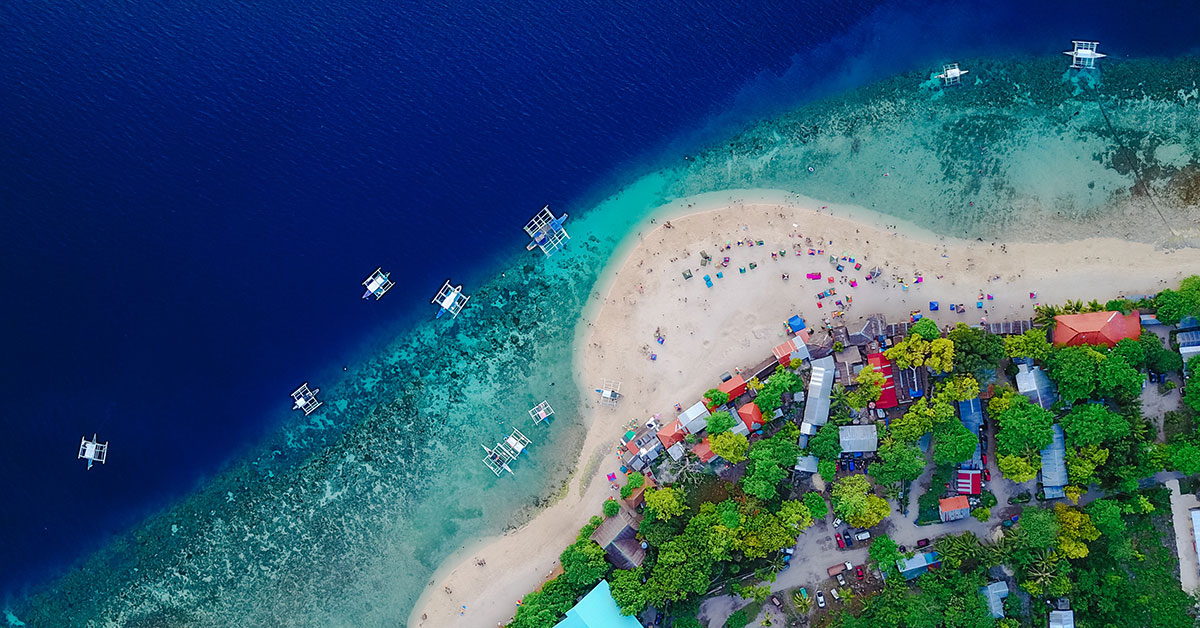
Our work broadly seeks to understand disasters, conflict, and climate change. We examine these settings through a socio-technical system view of settlements — asking how the built environment shapes, and is shaped by, the people who live with risk. Our research is organised within and across the following three areas of focus:
Humanitarian Response
Our humanitarian research has centred on shelter and settlements — how people rebuild their homes and lives after disaster and conflict, and how humanitarian organisations can support them more effectively. We have studied how participation, coordination, and training shape the outcomes of shelter programs, how households acquire safer construction knowledge in self-recovery, and what makes shelter solutions durable over the long term, drawing on evidence from responses to Typhoon Haiyan in the Philippines, the Gorkha earthquakes in Nepal, the Merapi eruption in Indonesia, and post-conflict reconstruction in Marawi.
We have also worked to strengthen the evidence base of the sector itself — helping define global research agendas for humanitarian shelter and settlements, examining how relief connects to longer-term recovery, and studying how responders coordinate and construct authority in the chaotic aftermath of crises. A growing strand of this work has focused on displacement at the intersection of disasters and conflict, where humanitarian frameworks are often poorly matched to the overlapping crises people actually experience. Themes of work in this area include:
- Shelter and settlements
- Displacement in disaster and conflict settings
- Coordination and organisational networks
- Humanitarian-development nexus
- Shelter and settlements research agendas
Disaster Risk Reduction
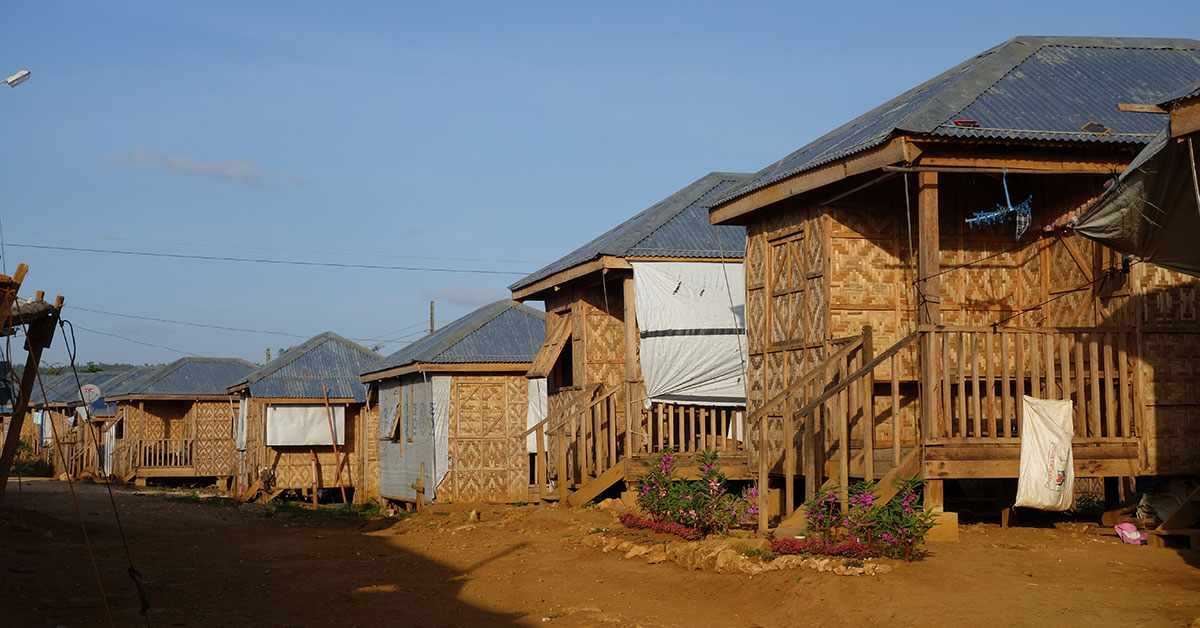
Globally, disasters pose a major setback to sustainable development efforts. Our work has applied qualitative and quantitative tools to measure disaster risk, explore how it is created, and find pathways to reduce it. A central focus has been housing: we have quantified how dwelling construction shapes typhoon mortality in the Philippines, developed vulnerability indices and fragility functions for non-engineered housing, examined how builders influence the uptake of safer construction, and asked how limited resources can be best allocated across housing stocks to reduce multi-hazard losses.
Alongside this engineering evidence, we have studied the human dimensions of risk — how households perceive storm surge and flood hazards compared to scientific models, how they decide whether to evacuate or shelter in place, and how social vulnerability concentrates disaster impacts. Our research has consistently championed local and Indigenous knowledge, from Ivatan typhoon-resilient building traditions in Batanes to community risk assessment approaches that connect technical tools with the knowledge communities already hold — and has critically examined how development decisions themselves create new disaster risk. Thematic areas of our work include:
- Housing safety and vulnerability
- Hazard, vulnerability and risk mapping
- Risk perception, evacuation, and sheltering behaviour
- Local and Indigenous knowledge
- Participation
- Disaster risk creation
Climate Change Adaptation
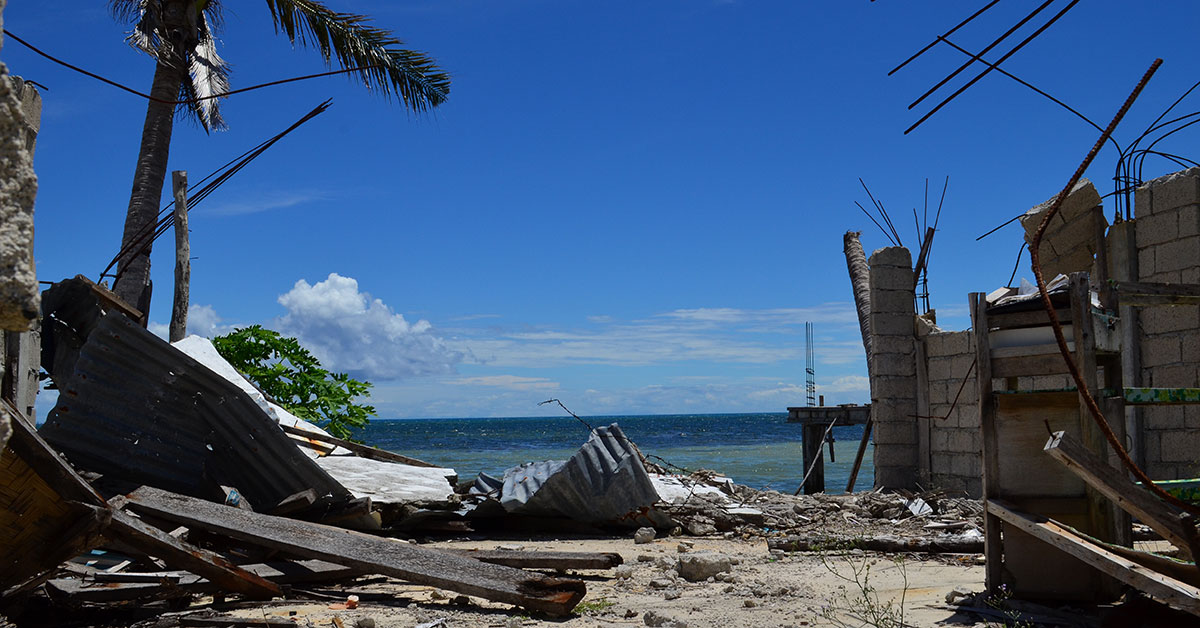
As climate change impacts increase, we have generated evidence to support adaptation for the communities facing the sharpest ends of a changing climate. A major strand of this work has examined climate mobility — the drivers of migration and displacement, the habitability of Pacific Island nations such as Kiribati, and the barriers that prevent people from moving safely when staying is no longer viable, using systems approaches to identify where policy can intervene most effectively.
We have also interrogated how adaptation itself is delivered: comparing nature-based solutions such as mangroves with hard infrastructure like seawalls, questioning the enduring allure of engineered defences, and modelling how flood risk to housing will grow under future climate scenarios in the Philippines and Indonesia. Beyond the evidence itself, we have built tools that help decision-makers grapple with uncertainty — from local flood governance frameworks to serious games that let policymakers and communities explore adaptation trade-offs in a risk-free environment. Themes in this area include:
- Migration, displacement, and habitability
- Nature-based solutions and adaptation infrastructure
- Flood risk under a changing climate
- Adaptation decision-making tools and serious games